In an era driven by rapid technological advancements, staying informed requires more than just skimming headlines. Traditional media often struggles to keep pace with the sheer velocity of internet trends, emerging technologies, and global market shifts. This is where modern digital hubs step in, reshaping how audiences consume and analyze daily updates.
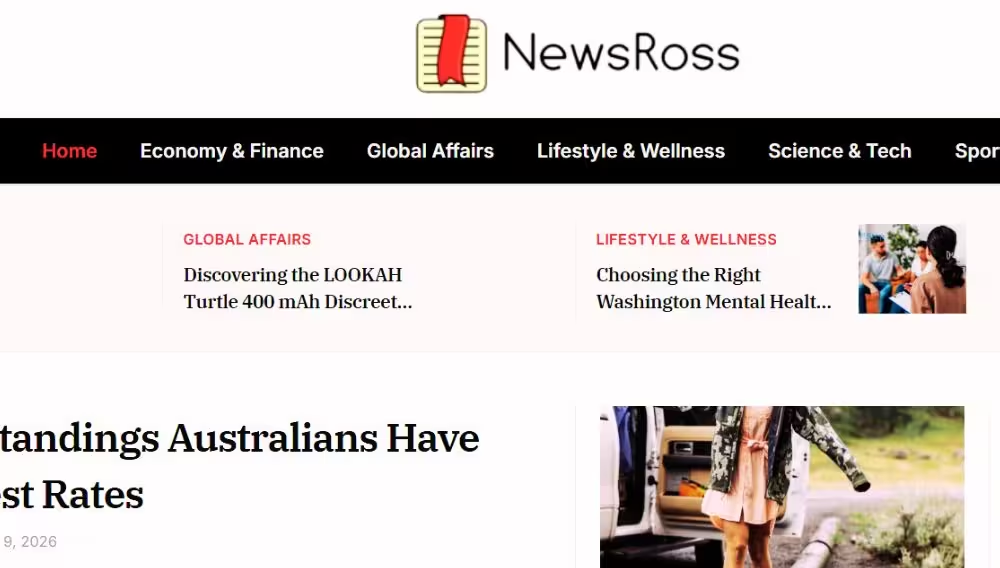
Platforms like newsross com have emerged as crucial nodes in the digital information ecosystem. By combining real-time tracking with deep-dive analysis, these spaces cater to a diverse demographic ranging from tech enthusiasts to financial analysts. Navigating this vast landscape requires an understanding of how information is curated, verified, and delivered to the modern reader.
The Evolution of Online News and Media Spaces
The transition from print to digital media was only the first step in a long-running evolution. Today, the internet is witnessing a secondary shift from static news portals to dynamic, multi-category information hubs. Consumers no longer want to visit five different websites to check stock updates, tech breakthroughs, political shifts, and entertainment trends. They demand consolidated platforms that maintain journalistic integrity while offering rapid updates.
A successful digital platform must balance speed with accuracy. The pressure to publish first often leads to misinformation, making editorial curation more valuable than ever. Modern readers actively seek out domains that filter out the noise, providing clear, concise, and actionable insights that help them make sense of a chaotic world.
Redefining Content Curation for Modern Audiences
Content curation is no longer just about writing articles. It involves algorithmic feeds, user preference tracking, and multi-media integration. Platforms that understand this balance achieve sustained audience retention by delivering exactly what the user needs, precisely when they need it.
Key Categories Dominating the Digital Information Landscape
To understand the impact of spaces like newsross com, one must look at the specific sectors driving the highest user engagement online. Content is no longer localized; a breakthrough in silicon chip manufacturing in Asia instantly impacts retail investors in New York and software developers in London.
1. Financial Markets and Global Economy
The global economy moves at the speed of data. Investors look for platforms that decode complex fiscal policies, market fluctuations, and cryptocurrency trends. Providing clear breakdowns of inflation rates, corporate mergers, and venture capital movements allows readers to manage their portfolios with greater confidence.
2. Technology and Innovation
From artificial intelligence to quantum computing, technology changes the way society operates on a fundamental level. Informational platforms must break down these complex subjects into digestible narratives. Whether it is a new smartphone launch or a massive cybersecurity update, readers require contextual analysis rather than dry technical jargon.
3. Lifestyle and Entertainment Trends
While hard news forms the backbone of digital media, lifestyle and pop culture content keeps communities vibrant. Tracking global entertainment shifts, travel trends, and wellness movements ensures that an information portal remains engaging for a well-rounded audience seeking both data and leisure content.
How Digital Integration Shapes Business and Entertainment
As industries converge, the lines between corporate operations and lifestyle platforms continue to blur. Businesses are leveraging online media spaces to amplify their brand presence, while consumers look to these same spaces to find premium services and lifestyle recommendations.
The digital ecosystem rewards platforms that seamlessly connect diverse industries. For instance, high-profile collaborations and elite service pairs frequently capture public attention across business and lifestyle sectors. Navigating these top-tier offerings requires a guide, and exploring THE VIP DUO reveals how premium partnerships are setting new benchmarks in modern luxury, corporate synergy, and digital lifestyle experiences. This intersection of business acumen and high-end services highlights the growing demand for curated, elite content in mainstream media coverage.
Understanding the Mechanics of Online Authority
Building digital authority takes time and consistency. Search engines prioritize platforms that display high levels of experience, expertise, authoritativeness, and trustworthiness. For an informational hub, this means sourcing data from verified reports, interviewing industry experts, and maintaining transparent editorial standards.
Navigating the Challenges of Information Overload
With millions of blog posts and news articles published daily, information overload is a genuine challenge for internet users. The human brain is not wired to process continuous streams of conflicting data, leading to digital fatigue.
To combat this, leading digital portals are changing their formatting strategies. Utilizing clear headings, concise bullet points, and visual data representations allows readers to scan information efficiently. Content must be structured so that a reader can grasp the core message within thirty seconds of landing on the page.
The Role of Fact-Checking in the Digital Age
Misinformation spreads faster than verified facts. Platforms dedicated to maintaining long-term credibility invest heavily in multi-stage editorial reviews. Verifying quotes, checking primary data sources, and cross-referencing global wire services are essential steps that protect both the publisher and the audience from false narratives.
Future Trends in Online Information Portals
As we look toward the future of digital media consumption, several key trends are set to redefine how platforms operate. The integration of advanced technologies will change not only how content is created but also how it is experienced.
Artificial Intelligence and Personalization
AI algorithms are becoming highly sophisticated at predicting user behavior. Future information hubs will likely feature hyper-personalized homepages, where the content shifts dynamically based on the reader’s professional background, reading speed, and historical interests.
Interactive and Immersive Journalism
Static text is slowly making room for interactive data models. Future articles covering economic shifts or climate trends will likely feature embedded tools allowing readers to manipulate variables and see potential real-time outcomes, turning passive reading into an active learning experience.
Enhancing Content Discoverability and User Experience
A platform can host the most insightful articles in the world, but if the user experience is poor, audiences will look elsewhere. Fast loading times, clean design aesthetics, and intuitive navigation menus are non-negotiable elements of successful modern web properties.
Mobile optimization is particularly critical. With over half of global web traffic originating from mobile devices, information must render flawlessly on smaller screens. Text sizes must be readable, buttons must be easily clickable, and pop-ups must be kept to an absolute minimum to prevent user frustration.
FAQs Regarding Modern Digital Information Hubs
What is newsross com?
This is a conceptual representation of a modern digital information hub designed to provide comprehensive updates across technology, business, finance, and global lifestyle trends.
How do modern media websites verify their information?
Credible platforms utilize a rigorous editorial process involving primary source verification, cross-referencing with global news wires, and regular fact-checking by subject matter experts before publication.
Why is structured content important for online readers?
Structured content utilizing headings, lists, and tables helps readers avoid information overload, allowing them to scan the text quickly and extract key insights without digital fatigue.
How can a digital platform maintain high content authority?
By consistently publishing well-researched, accurate content, citing reputable primary sources, and adapting to the evolving needs and technical standards of global audiences.
Read Also : theinstanavigation com: What It Is and How It Helps?