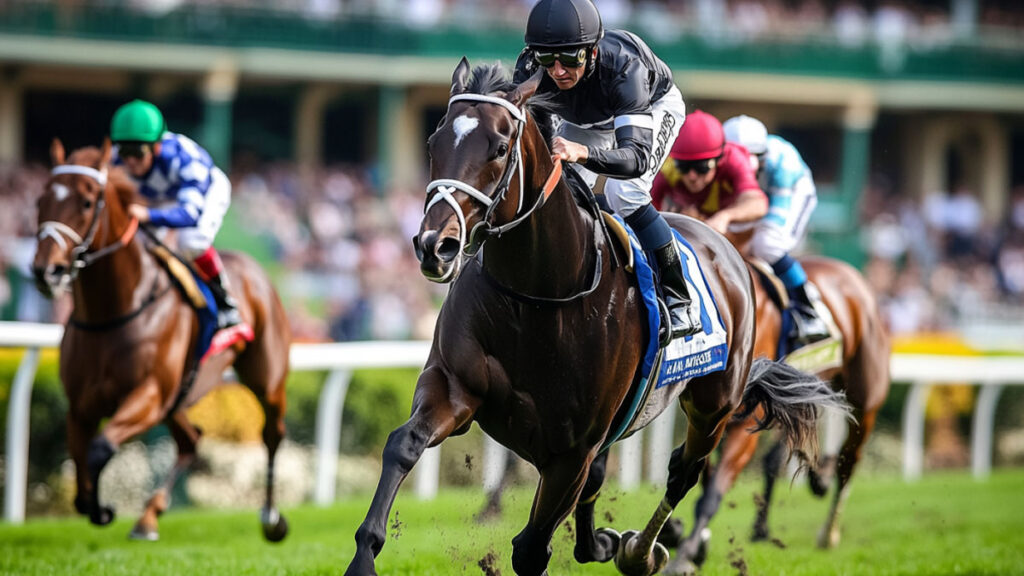
Athletic performance is influenced by a combination of physical conditioning, nutrition, and lifestyle choices. While talent and skill are important, the foundation of success lies in how effectively the body is trained and fueled. Fitness and diet work together to directly impact strength, endurance, recovery, and overall performance. Understanding how these factors interact allows athletes, coaches, and enthusiasts to optimize their training and achieve better results.
In many ways, proper fitness routines and nutrition act as a duo sur, working together to maximize athletic potential. When the body is conditioned and well-fueled, performance improvements are significantly amplified.
The Role of Physical Fitness in Athletic Performance
Physical fitness is the backbone of athletic ability. It encompasses strength, endurance, flexibility, speed, and agility—each contributing to different aspects of performance.
Strength and Power
Strength is the ability of muscles to exert force, while power combines strength with speed. Athletes with well-developed muscular strength and power can perform explosive movements, accelerate quickly, and sustain forceful actions throughout their sport. For instance, sprinters rely on lower body power for rapid acceleration, while weightlifters depend on both upper and lower body strength for optimal lifts.
When strength training and proper conditioning are combined with complementary nutrition, they form a duo sur that enhances both muscle development and energy availability.
Cardiovascular Endurance
Endurance is the capacity of the cardiovascular and respiratory systems to deliver oxygen to muscles during sustained activity. Athletes in long-distance running, swimming, and cycling rely heavily on aerobic endurance to maintain high performance over time.
Cardiovascular training, such as interval runs and sport-specific drills, improves heart and lung efficiency. When endurance training is paired with a diet rich in carbohydrates and electrolytes, athletes experience a duo sur effect, supporting both sustained energy output and faster recovery.
Flexibility and Mobility
Flexibility refers to joint range of motion, while mobility emphasizes controlled movement within that range. Both are essential for executing complex movements efficiently and preventing injuries. Stretching, yoga, and dynamic warm-ups improve flexibility and mobility, contributing to better movement quality and long-term athletic performance.
Speed and Agility
Speed is the ability to move quickly in a straight line, while agility allows for rapid changes in direction. Sports like basketball, tennis, and football demand both. Sprint drills, plyometrics, and sport-specific practice improve neuromuscular coordination, allowing athletes to react efficiently during competition. A well-balanced duo sur of speed training and nutritional support ensures energy is available for explosive performance.
Nutrition and Diet for Optimal Performance
While fitness prepares the body to perform, nutrition provides the fuel and building blocks needed for strength, endurance, and recovery. A properly planned diet ensures athletes have the stamina to train, compete, and recover effectively.
Macronutrients: Fuel for the Body
Carbohydrates, proteins, and fats each play critical roles. Carbohydrates serve as the primary energy source for high-intensity exercise, proteins aid in muscle repair and growth, and fats support energy production and hormone regulation. Balancing macronutrient intake according to training intensity creates a duo sur between energy availability and muscular adaptation, enhancing performance and recovery.
Micronutrients and Hydration
Vitamins and minerals are essential for metabolism, immune function, and tissue repair. Calcium and vitamin D support bone health, while iron helps with oxygen transport in the blood. Electrolytes like sodium and potassium maintain fluid balance and prevent cramps. Proper hydration is critical; even mild dehydration can impair strength, endurance, and cognitive function.
Timing of Nutrition
Meal timing impacts performance. Pre-training meals rich in carbohydrates provide energy, while post-workout meals with protein aid muscle repair and glycogen replenishment. Strategic nutrition timing works alongside training to form a duo sur, enhancing both energy levels during exercise and recovery afterward.
Supplements and Ergogenic Aids
Some athletes use supplements like protein powders, creatine, and branched-chain amino acids to support training. These can complement a well-rounded diet but should never replace whole foods. The synergy between targeted supplementation and a nutrient-rich diet forms another duo sur for optimal results.
Interconnection Between Fitness and Diet
Fitness and diet are inseparable when it comes to performance. Training increases nutrient demands, while proper nutrition enhances the effectiveness of exercise. Ignoring either component can reduce results and increase injury risk.
Energy Availability and Recovery
Athletes who train intensely without adequate nutrition risk fatigue, decreased endurance, and poor recovery. On the other hand, combining well-structured training with proper fueling creates a duo sur, maximizing performance while minimizing overtraining risks.
Body Composition and Efficiency
Maintaining an optimal balance of lean mass and body fat is essential for performance. Targeted training combined with a balanced diet ensures athletes achieve a composition that supports speed, strength, and endurance.
Psychological Benefits of Fitness and Nutrition
Physical and nutritional preparation also enhances mental performance. Training reduces stress, improves mood, and builds confidence, while proper nutrition supports cognitive function, focus, and decision-making during competition. Together, fitness and diet create a duo sur that enhances both mental and physical readiness.
Mental Resilience
Regular training develops mental toughness, enabling athletes to handle pressure during high-stakes events. The combination of disciplined training and proper nutrition fuels both physical stamina and psychological resilience.
Cognitive Function
Diet rich in omega-3 fatty acids, antioxidants, and complex carbohydrates supports brain health, improving reaction time, focus, and decision-making. Athletes who combine mental conditioning with strategic nutrition experience enhanced performance across all domains.
Sport-Specific Considerations
Different sports demand different combinations of fitness and dietary strategies. Endurance athletes emphasize cardiovascular training and carbohydrate loading, while strength athletes prioritize resistance training and protein intake. Team sports often require a mix of speed, agility, and endurance training with balanced nutrition to sustain energy and recovery.
Coaches and athletes must tailor both training and nutrition plans to individual needs, metabolism, and performance goals to maximize results.
Lifestyle Factors That Enhance Fitness and Diet
Sleep, recovery, and stress management complement fitness and diet. Rest allows muscles to repair, hormones to balance, and the nervous system to recover. Stress reduction strategies, such as meditation and mindful breathing, support focus and prevent burnout. The integration of these practices alongside physical training and nutrition ensures that athletes perform consistently at their best.
Conclusion
Athletic performance is the product of multiple interconnected factors, with fitness and diet at the core. Proper training prepares the body for the demands of sport, while nutrition provides the energy, nutrients, and recovery support essential for success. Together, they form a duo sur, working synergistically to enhance strength, endurance, agility, and mental resilience.
Athletes who understand the connection between fitness and diet can improve performance, recover faster, and reduce injury risk. By combining tailored training programs, strategic nutrition, and supportive lifestyle habits, athletes can maximize their potential and sustain peak performance over time.
Read Also: Most Shocking Moments in Sports History