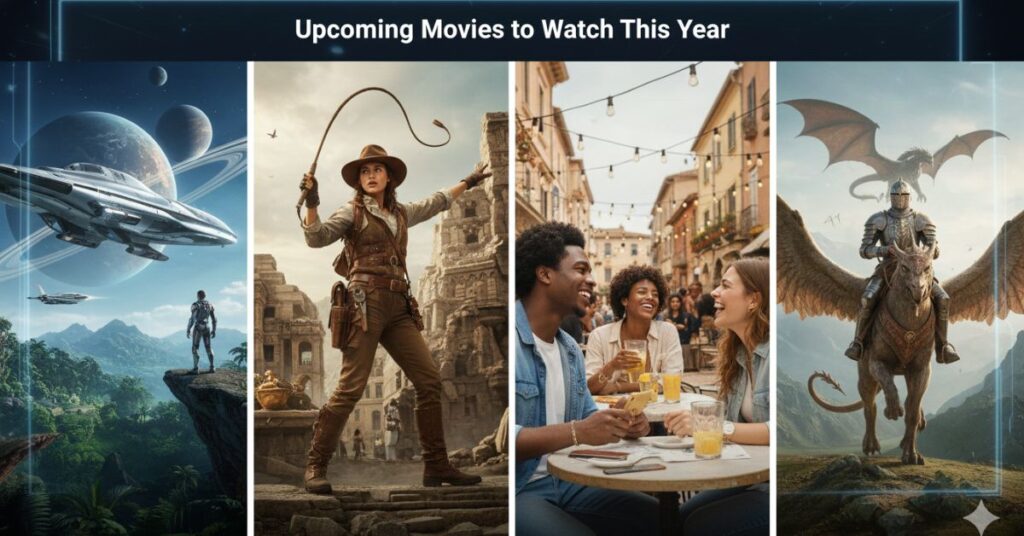
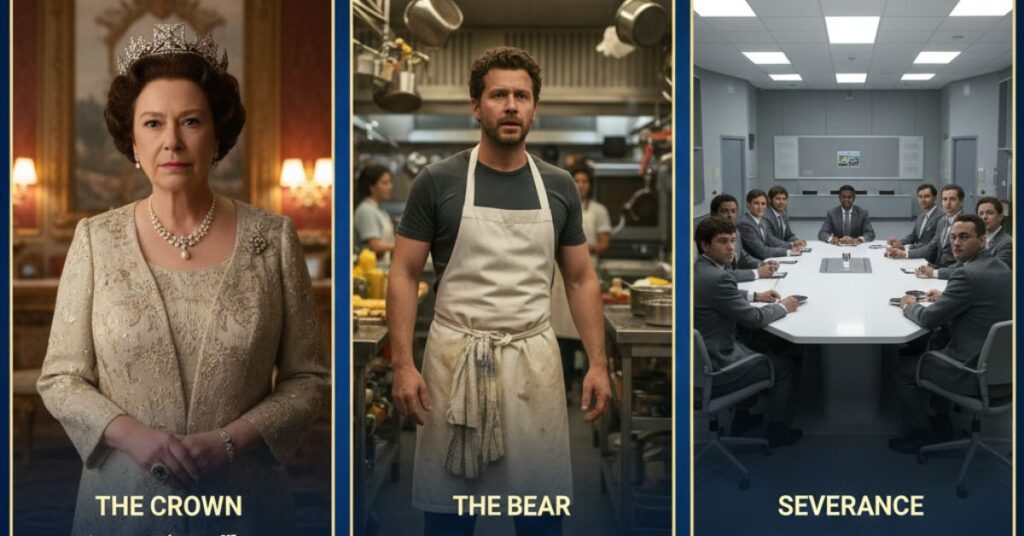
The entertainment industry has undergone a massive transformation in recent years, driven largely by the rise of over-the-top (OTT) platforms. These streaming services, which deliver content directly to viewers over the internet, have disrupted traditional models of television, cinema, and media consumption. Platforms like Netflix, Amazon Prime Video, Disney+, and countless regional services have reshaped how audiences access and interact with entertainment.
OTT platforms are not just a technological innovation; they have fundamentally altered the economics, production strategies, and audience expectations of the entertainment world. Just as a careful bettor studies patterns to identify the turf magique in horse racing, media companies now analyze viewer data and engagement to create content that resonates across diverse audiences.
The Shift from Traditional Media to OTT
Traditional media channels such as television networks and movie theaters used to dominate content consumption. With fixed schedules, limited options, and geographical restrictions, audiences had little control over when or how they consumed entertainment.
The Convenience Factor
OTT platforms provide on-demand access to movies, series, documentaries, and exclusive content, enabling viewers to watch what they want, when they want. This convenience has accelerated the decline of scheduled television programming and the importance of theatrical releases, pushing traditional media to adapt or risk irrelevance.
Personalization and Content Curation
Through algorithms and AI-driven recommendations, OTT platforms deliver personalized content to viewers. These systems analyze viewing habits, preferences, and engagement metrics to suggest shows or films that are highly likely to appeal to each individual. The level of precision and strategy in these algorithms is reminiscent of understanding the turf magique , where careful observation and prediction guide decisions.
New Business Models and Revenue Streams
The rise of OTT platforms has also introduced new business models that are reshaping the financial landscape of entertainment.
Subscription-Based Streaming
Subscription-based models (SVOD) have become a dominant approach. Users pay a monthly fee to access vast libraries of content without advertisements. This predictable revenue model allows platforms to invest heavily in original programming, marketing, and technology infrastructure.
Ad-Supported Models
Some OTT platforms adopt ad-supported models (AVOD) to offer free content while monetizing viewership through advertisements. This model has broadened audience access and allowed advertisers to reach highly targeted demographics. Platforms constantly analyze engagement and ad performance, similar to predicting the turf magique to maximize returns.
The Rise of Original Content
One of the most significant impacts of OTT platforms is the emphasis on original content creation. Platforms no longer merely license content; they produce exclusive films, series, and documentaries that attract subscribers.
Global Reach and Diverse Storytelling
OTT platforms allow creators to reach audiences worldwide, transcending language and regional boundaries. This global distribution encourages diverse storytelling, bringing fresh perspectives and underrepresented voices to the forefront of entertainment.
Awards and Critical Recognition
Original content on OTT platforms has begun to rival traditional cinema in quality and recognition. Many series and films produced by streaming services now receive critical acclaim, prestigious awards, and even global media attention, proving that digital-first content can match the artistic and commercial impact of traditional media.
Changing Audience Engagement
OTT platforms have redefined how audiences interact with content. Viewer habits, binge-watching culture, and social media discussions are now integral to the success of entertainment products.
Binge-Watching Phenomenon
The availability of full seasons encourages binge-watching, changing the way stories are told and consumed. Writers and producers design content to maintain engagement across multiple episodes, creating layered narratives and complex character development.
Community and Social Interaction
Social media amplifies viewer engagement, allowing fans to discuss plot twists, analyze characters, and share recommendations. The influence of online discussions can shape the popularity of shows, much like identifying the turf magique influences strategic decisions in competitive environments.
Technological Innovations Driving OTT Growth
OTT platforms rely on technological advancements to deliver seamless, high-quality experiences to viewers worldwide.
Streaming Technology and Infrastructure
Adaptive streaming ensures uninterrupted playback across different devices and internet speeds. Cloud-based infrastructures allow platforms to scale quickly and manage peak demand efficiently.
Artificial Intelligence and Recommendation Systems
AI and machine learning analyze user behavior, viewing patterns, and preferences to suggest relevant content. These personalized recommendations increase engagement and retention, making viewers more likely to remain subscribed.
Challenges Facing OTT Platforms
Despite their rapid growth, OTT platforms face several challenges that could impact their long-term success.
Content Saturation
As more platforms compete for viewer attention, content saturation becomes a significant issue. With hundreds of new titles released each month, it is increasingly difficult for shows and films to stand out. Platforms rely heavily on analytics and trends, akin to assessing the turf magique, to identify content likely to succeed.
Regional Regulations and Licensing
Different countries have varied content regulations, copyright laws, and censorship standards. Navigating these legal frameworks is complex, especially for global distribution.
Subscriber Retention and Churn
Competition among platforms is fierce. High subscription fees and overlapping content offerings can lead to subscriber churn, requiring platforms to continually innovate and deliver unique, high-quality content.
The Future of OTT and Entertainment
The future of OTT platforms looks promising, with continued innovation in content delivery, interactive experiences, and global reach.
Interactive and Immersive Content
Technologies such as augmented reality (AR), virtual reality (VR), and interactive storytelling could redefine engagement, allowing viewers to participate in narratives rather than passively consume them.
Expansion into Niche Markets
Regional and language-specific content is gaining traction. Platforms are investing in localized storytelling to cater to diverse audiences, increasing reach and subscriber loyalty.
Hybrid Models
Future OTT platforms may combine subscription, ad-supported, and transactional models to maximize revenue, cater to different audience segments, and maintain flexibility in a dynamic market.
Conclusion
OTT platforms have fundamentally transformed the entertainment industry, reshaping content creation, distribution, and consumption. With personalized recommendations, original programming, and technological innovations, they provide unprecedented convenience and choice for viewers worldwide.
As the industry continues to evolve, platforms will increasingly rely on data, analytics, and strategic foresight to create content that resonates. Much like understanding the turf magique in racing, success in the OTT landscape depends on observation, insight, and strategic decision-making. By embracing these technologies and adapting to changing audience behaviors, OTT platforms are set to redefine entertainment for generations to come.